Powered by Blogger.

Followers

RSS

Pages

Main Task: Evaulation question 4: Who would be the audience for your media product?


The takeover targets people of lower to middle class status with firstly an urban cultural background and secondly a passion or love for the hip-hop culture. However unlike most hip-hop magazines which features only American hip-hop artists, my magazine features mostly British artists and people who have had an impact on the British hip hop scene. For example, Tim Westwood, a very popular UK DJ. However I also included US artists such as Diggy Simmons because of the huge popularity, these particular artists possess.


Fig 1: Example of a American hip hop magazine which seem to feature only American hip-hop artists.

I decided to make the magazine target people from 16 to 21 years of age because of the fact, that the main artists that feature on my magazine will be hip-hop artists who are young and quite popular with people of this age group. Also although, the artists that feature in my magazine may very well appeal to people that is younger or older than the target group, the content of the interviews/reviews may not. People younger than the target group may not relate to the artists lifestyle but will aspire to be lie them and people older than the target group may very well no longer relate to that lifestyle because of obligations such as work and careers. Examples of stereotypical 16-21 lifestyles could be: party lifestyles, carefree lifestyles and many others.  Thus, people older than the target group, may be put of by the lifestyle that certain artists are associated with.

Fig 2 Diggy Simmons an artist featured on my magazine who may not relate to people older than the target audience

The magazine does not really target any particular ethnicity group because of the fact hip-hop music reaches out to many people of different ethnicity groups. Hip-Hop music just like pop and rock is enjoyed worldwide. Therefore the audience are mostly only in to hip-hop music.

As stated in my target consumer research, the person most likely to purchase my magazine is people who have up to date media products and have knowledge on modern technology. For example, people who read my magazine may own a smart phone such as a blackberry or an I phone.
Fig 3 example of technology, my target audience would be fond of.


Also, my ideal consumer would own a modern games console such as a Xbox or a ps3
Fig 3 an Xbox 360

They would also be aware of using the internet as a way or form of entertainment and socialising with friends and meeting new people.

Fig 4 websites on the internet, my ideal consumer would strongly be aware of

  • Digg
  • Del.icio.us
  • StumbleUpon
  • Reddit
  • RSS

Main Task: Evaluation question 3: What kind of media institution might distribute your media product and why?

With reference to my publishing house case study later in this question, I believe future plc would best benefit from distributing my music magazine. Here is a link to there website:
Fig 1. Future Plc

Founded in 1985 by Chris Anderson in Bath, England, Futureplc produces a wide range of magazines from the film genre such as Odeon magazine and Total Film to game magazines such as Ngamer and Playstation: Official Magazine.  However it also publishes music magazines such as:
Fig 2. Classic Rock


Classic rock is a music magazine dedicated to the nostalgic feel of old school rock. It has a monthly readership of 71,242 (information correct in December 2009). Its target audience are people who enjoy old school rock, most likely of the Caucasian race.

Fig 3 Rhythm magazine


 Rhythm is a music magazine based around the drum and percussion instruments. With a monthly readership of 8700, its target audience are those who with a love for these kind of instruments and once again, most likely they appeal to a Caucasian race.
So, to wrap things up, it seems that future plc targets mostly a Caucasian audience when they publish there respective music magazines. My magazine itself, has no real ethnicity target audience but however targets much more different races than the music magazines, future plc publishes today. It would be beneficially for Future plc to publish my magazine because of the popularity of the hip-hop genre. In the modern world, hip hop can be entwined or fused with other genres such as rock and dance music. For example, in 1986, Run DMC collaborated with Aerosmith to produce the tune  “walk this way”, which became the first rap song to chart in the top 5 in the billboard top 100 and peaked at number 8 in the UK charts.

Fig 4, Rev Run (one half of Run DMC) and Steven Tyler (member of Aerosmith)  singing “walk this way” a song which rocketed Hip-Hop music into the charts and not only gave Run DMC global followers,  but changed peoples views on fusing genres to produce songs.


So with the popularity of hip-hop, Futureplc could benefit from expanding there business into a new market because of the fact the popularity of the genre could wield a higher profit margin which will increase profits and allow future plc to invest more on there problem child magazines. Problem children, a business term, are products which need a huge quantity of market research and promotion in order to be a success. All this costs money. Higher profits will allow for much more development and higher success of these magazines.
Also future plc would benefit from publishing my music magazine because if the product was advertised properly, the success of the magazine will enhance Future Plc reputation.  Future Plc at the moment is the sixth largest media company in the United Kingdom (Information found at http://en.wikipedia.org/wiki/Future_plc).  T he success of the magazine will push the company forward because of the fact it targets more than just one race. Hip-Hop itself appeals to more than just one race. It’s a global music phenomenon which almost appeals to people of all ages. With my magazine targeting ages of 16 – 21 year olds, it will appeal to people of all races with a love for hip-hop unlike the other magazines, Future plc publishes. So to conclude, with a wider audience gained from the publishing of a rap magazine, this will enhance Future plc’s reputation and maybe allow them to take a leap of faith and make magazines which will also appeal to an American  audience.
In my publishing house case study, I analysed Conde Nast and I feel that they would be the worst publishing house to publish my magazine. Founded in 1907, Conde Nast produces a wide range of magazines from cultural magazines such as Vanity Fair to fashion magazines such as Vogue. However its principal focus is on its fashion magazines because they are there most established magazines they publish. Also it seems the company main target audience is women which is completely different to my target audience

Firstly, with Conde Nast targeting mostly a female audience, they may completely change the way I publish my own magazine to target a female audience. Also with Conde Nast investing heavily on there fashion magazines, I feel that magazine will not succeed because of the fact the magazine doesn’t really appeal to there main target audience. Finally, with Conde nast having a principal focus on there fashion magazines, my magazine may not be effectively promoted and thus may be neglected.
Distributed?  
I believe my magazine would best be distributed in mostly music stores such as Hmv and other small music stores because of the fact that many small music stores are located in many urban areas across England. Also by distributing my magazine in an urban area, it will grab potential readers much quicker than distributing the magazine elsewhere.

  • Digg
  • Del.icio.us
  • StumbleUpon
  • Reddit
  • RSS

Main Task: Evaluation question 2: How does your music magazine represent particular social groups?

My magazine was designed to represent an urban audience of the ages 16 to 21. From my earlier audience research, the people that gave me feedback seemed to be dedicated to many different cultural music. In particular, Hip-Hop. Thus my front cover features a man with a very serious posture, an attribute associated with many hip hop artists. With only one person used in my front cover it becomes more recognisable to a consumer who is looking to purchase a hip-hop magazine. I stated earlier in my target consumer profile, that ethnicity is not really issue, thus my social representation has no particular race associated with it.
Fig 1 Example of 50 cent with a pose that conveys seriousness


The social group has no real sub cultural identity but I would refer to mine as ‘deep thinking’ because of the type of rap artists that would feature in my magazine. For example, artists such as Common and Nas would feature more frequently on my magazine than artists such as Flo-rida. Artists such as Common would feature on my magazine more because these particular artists are known for there kind of hip-hop which entices people and leaves them thinking about issues in society
Fig 2 examples of the kind of artists that would feature heavily in my magazine


Lupe Fiasco


Common


The artist in my magazine front cover is dressed in a very modern British urban style. The use of a chequered shirt is something which is associated with the young inner-city urban audience just like that of the west coast rap scene in the early 90s. With this, its hint out to the audience that this
could either be a house, grime, hip-hop or maybe even a afrobeat music magazine.


Fig 3 the chequered shirt used in my magazine front cover

However the use of a microphone clenched in the artists fist quickly narrows it down. The microphone clenched in the fist is something heavily associated with the hip-hop scene; from underground rap battles to Grammy performances. 


Fig 4 The microphone used in my magazine front cover
I placed a chain on the artist on my front cover because just like the microphone, it’s an item associated with the hip-hop scene. Also this kind of chain is very popular with many hip-hop artists. So its helps make the magazine much more recognisable as a modern hip hop magazine. The model in my picture is black. The reason I placed a black model on my front cover is because evidence shows that many people attributed and renowned with helping to form hip-hop and to help make hip-hop what is today, were people of black origin.


Fig 5 the chain used by model in my magazine.


Fig 6 Kanye West sporting a similar chain to the one my model is wearing; Shows the popularity of the kind of chain because many revere Kanye west as modern day fashion icon.


Fig 7 DJ Kool Herc, a Jamaican born DJ, accredited for making Hip-hop what it is today.

The model is sporting a ‘High Top’ hairstyle which represents a revived rap subculture from the 90s. However with the trim being very fresh, it’s very stereotypical in the view that many rappers always have fresh trims. The use of a high top connotes a sense of immaturity and youthfulness on the models behalf


Fig 8 the high top hairstyle; a representation of an revived 90s carefree subculture


Fig 9 the ‘High top’ hairstyle sported by Will Smith and DJ Jazzy Jeff back in the 90s.

  • Digg
  • Del.icio.us
  • StumbleUpon
  • Reddit
  • RSS

Main Task: Evaulation question 1: In what ways does your media product use, develop or challenge forms and conventions of real media products?

With my college magazine task finished, I began my music magazine task. Firstly, I made an introduction about how I finished my college magazine and was preparing to start my music magazine. I then analysed “The Source” music magazine front cover which was a magazine similar to the type of magazine I was going to produce and analysed the magazines denotations and connotations it produced and how the conventions were presented on the front page. In my own music magazine, I used similar conventions to attract similar audiences by the typical rap magazine style; the target audience is used to.

Fig.1 my masthead
For example, with my masthead I placed it to the left of the front cover image but made sure it was big, and in capital letters so that just like other rap magazines such as the source to connote a sense of power and excitement. By making my masthead stand out in this manner, it becomes recognisable easier to the target audience because it a convention commonly associated with the genre of the magazine, which is ultimately hip-hop. Also with the masthead being bright and bold it also attracts readers because of the fact of its sheer size and brightness. This in turn makes it appeal to readers who look upon the magazine wherever it’s distributed because it’s bright and bold. Thus ultimately, I may have challenged a convention because although most rap magazines are big and bold, they tend not to use a blue colour for the masthead as this colour connotes a sense of peace and tranquillity where as most articles in these magazines don’t reflect this. An example would be this masthead of The Source:

Fig.2 example
The colour red connotes power much more than blue.
I developed a convention of using one main image posing in a manner that psychologically reflects the type of article the front pic image is in the magazine. However I placed a close-up shot front cover image with the body sideways and only his face looking at the camera to maybe connote the man in the image’s past or his want to be respected as an artist. This is slightly different to a similar rap magazine front cover, which instead has a close up with the whole body facing the camera/reader. The man in the image has a gun pointed at his neck which may connote the man in the front cover, closeness to giving up in his life or what ever career he does. Also the prop of the gun is unfortunately associated with the hip-hop and may have been placed on the image to attract an audience who maybe idolise this kind of life or concerned with the mans health. Though, the text below the picture says “Suicide is not an option” which may connote his work rate in the hip-hop industry. Instead of using a gun, I used a microphone prop, a prop commonly associated with hip-hop industry to attract a much wider audience then I would achieve, had I not done such a thing.

Fig 3. The prop of the microphone used in my magazine to attract a wider audience


Fig 4. The gun prop used in the source magazine; a prop associated with the hip hop industry

However I used a convention of a colour scheme throughout my magazine because it looks more appealing than using different colours throughout the different media products I produced. For example:


Fig 5. Colour scheme of blue and white used in my contents page


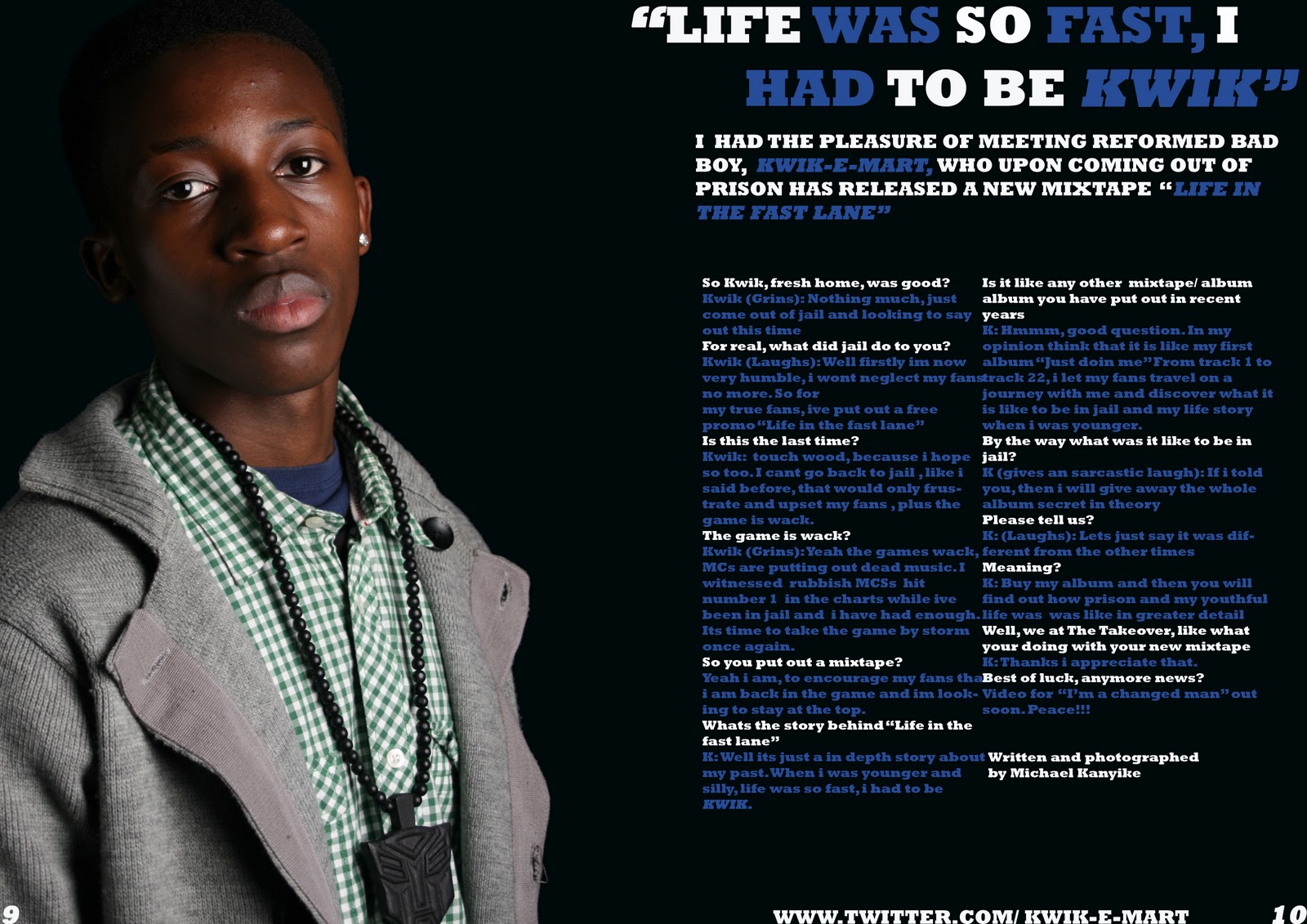
Fig 6. Colour scheme in my double page spread.


Fig 7. Colour scheme used in my front cover.

Ultimately my magazine, used, developed and challenged conventions used by similar hip-hop music magazines

  • Digg
  • Del.icio.us
  • StumbleUpon
  • Reddit
  • RSS

main task: double page spread


  • Digg
  • Del.icio.us
  • StumbleUpon
  • Reddit
  • RSS

Main Task : Music magazine contents page


  • Digg
  • Del.icio.us
  • StumbleUpon
  • Reddit
  • RSS

Main Task: Music Magazine Front Cover


  • Digg
  • Del.icio.us
  • StumbleUpon
  • Reddit
  • RSS